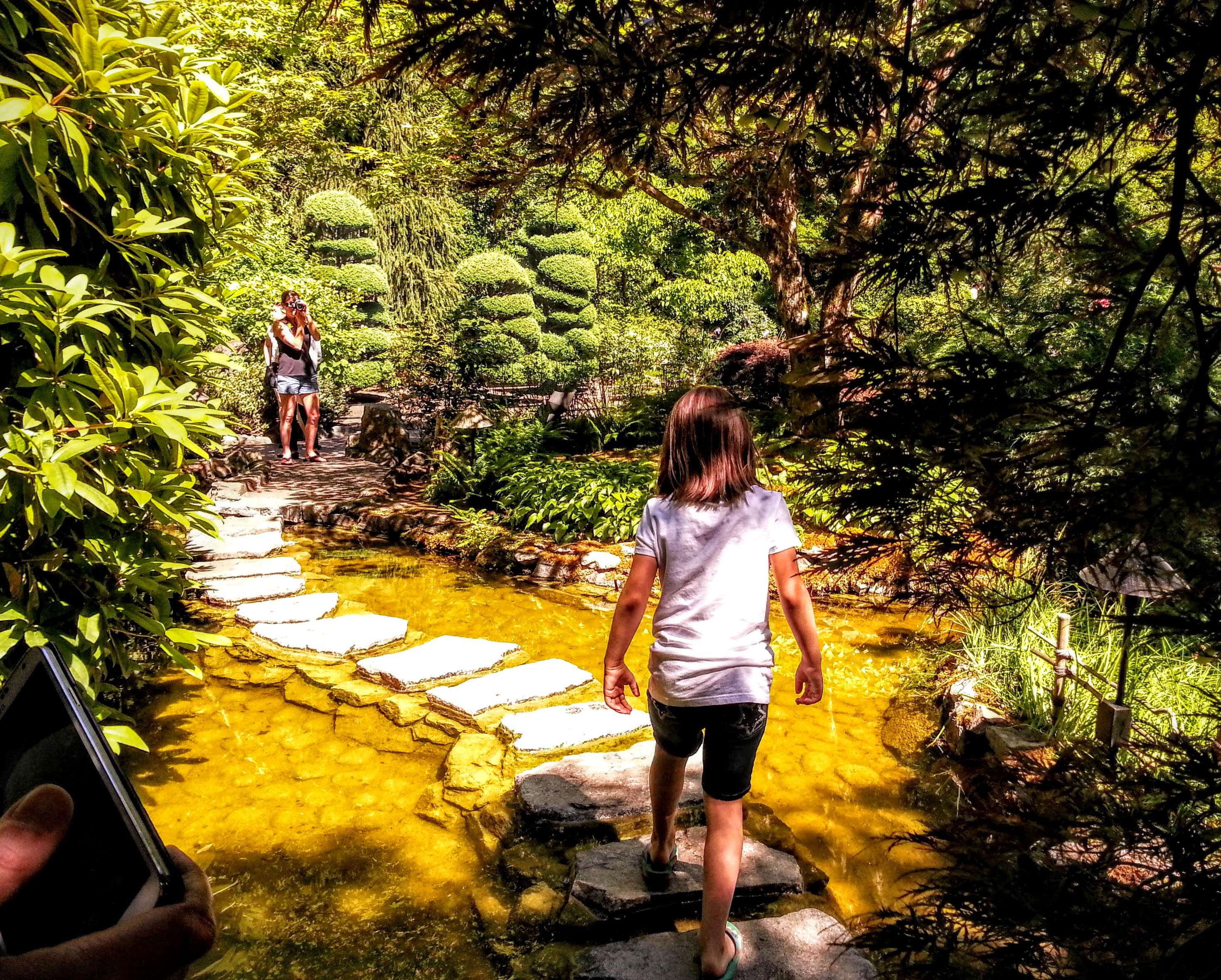
A Pacific Rim Growing Environment
Southern Vancouver Island lies in a rain-shadow pocket influenced by the Olympic Mountains and the Strait of Juan de Fuca. Compared with much of Canada, the area experiences relatively mild winters, cool summers and an extended growing season that gives gardeners unusual flexibility with shrubs, bulbs, perennials and specimen trees.
That climatic moderation does not create a tropical landscape; it creates a patient, layered one. Gardeners can combine local evergreen structure with introduced plants from Britain, Japan, the Himalayas and the Pacific coast of North America, then rely on the long shoulder seasons to produce a steady rhythm of bloom and foliage texture.
Victoria and the Saanich Peninsula are famous among Canadian gardeners because frost is lighter and spring arrives earlier here than in most major cities east of the Rockies.
Native Ecologies Around Victoria
The broader region is shaped by Douglas fir forests, western red cedar, bigleaf maple, sword fern and moss-rich understories. On drier, rockier sites, Garry oak ecosystems introduce camas, arbutus and meadow plants adapted to summer dryness. These native communities show how varied south-island conditions can be within short distances.
Butchart Gardens is not a native-plant preserve, yet it benefits from this ecological backdrop. The site's ornamental design gains visual depth because tall evergreens, coastal light and moisture-laden air already define a strong regional character. Imported plantings feel dramatic precisely because they are set within unmistakably Pacific Northwest surroundings.
- Douglas fir and cedar provide the evergreen vocabulary of the region.
- Garry oak landscapes reveal the area's drier Mediterranean-like summer pattern.
- Moist ravines and sheltered slopes support ferns, mosses and shade-loving plants.
Why Ornamentals Thrive Here
Many celebrated garden plants prefer exactly the kind of climate found near Victoria: rhododendrons appreciate cool roots and atmospheric moisture; roses benefit from bright, not scorching, summer conditions; Japanese maples hold colour well when protected from severe inland heat. This compatibility helps explain the estate-garden tradition that developed in coastal British Columbia.
Gardeners still work hard to improve soils, manage drainage and respond to summer drought. But the baseline climate is forgiving enough to reward experimentation. That is one reason Butchart Gardens could expand from a reclaimed industrial void into a horticultural destination of international reputation.
Botany as Cultural Identity
On Vancouver Island, botany is not only science; it is part of regional identity. Public gardens, plant societies and home landscapes have long presented southern Vancouver Island as a place where temperate abundance can be cultivated with unusual finesse. Butchart Gardens became one of the clearest expressions of that identity.
Visitors often remember floral spectacle first, yet the deeper lesson is ecological: the garden demonstrates how a specific coastal climate, careful plant selection and long-term maintenance can turn a former quarry into a living archive of Pacific horticulture.