From Colonial Estates to Public Landscapes
In the late nineteenth and early twentieth centuries, British Columbia's coastal settlements adopted landscape fashions from Britain while adapting them to Pacific conditions. Wealthy families built estate grounds with lawns, rockwork, specimen trees and rose beds, while municipalities promoted parks as signs of civic refinement and health.
These spaces were never merely decorative. Gardens announced cultural aspiration, stability and belonging within an imperial world that prized landscape order. In Victoria especially, ornamental planting became part of the city's public image, reinforcing its reputation as a genteel Pacific capital.
The Importance of Climate and Exchange
Plant material circulated through imperial nursery networks linking Britain, Europe, Japan and the Pacific Northwest. Southern British Columbia could host many temperate ornamentals that failed elsewhere in Canada, so collectors embraced conifers, rhododendrons, Japanese maples, roses and exotic bedding plants with unusual confidence.
This exchange culture encouraged ambitious gardens. Owners and head gardeners studied overseas examples, imported seed and stock, and tested what could naturalize or at least perform reliably. Heritage gardens in the province are therefore also records of transnational plant movement and design taste.
BC heritage gardens often combine local landforms with imported planting traditions rather than following a purely native or purely European model.
Why Butchart Became the Benchmark
Many estate gardens were private, fragile or later subdivided. Butchart Gardens survived because it evolved into an institution. The site offered strong design drama, steady reinvestment and a memorable origin story: a worked-out limestone quarry redeemed through planting. That narrative gave it symbolic force well beyond ordinary ornamental display.
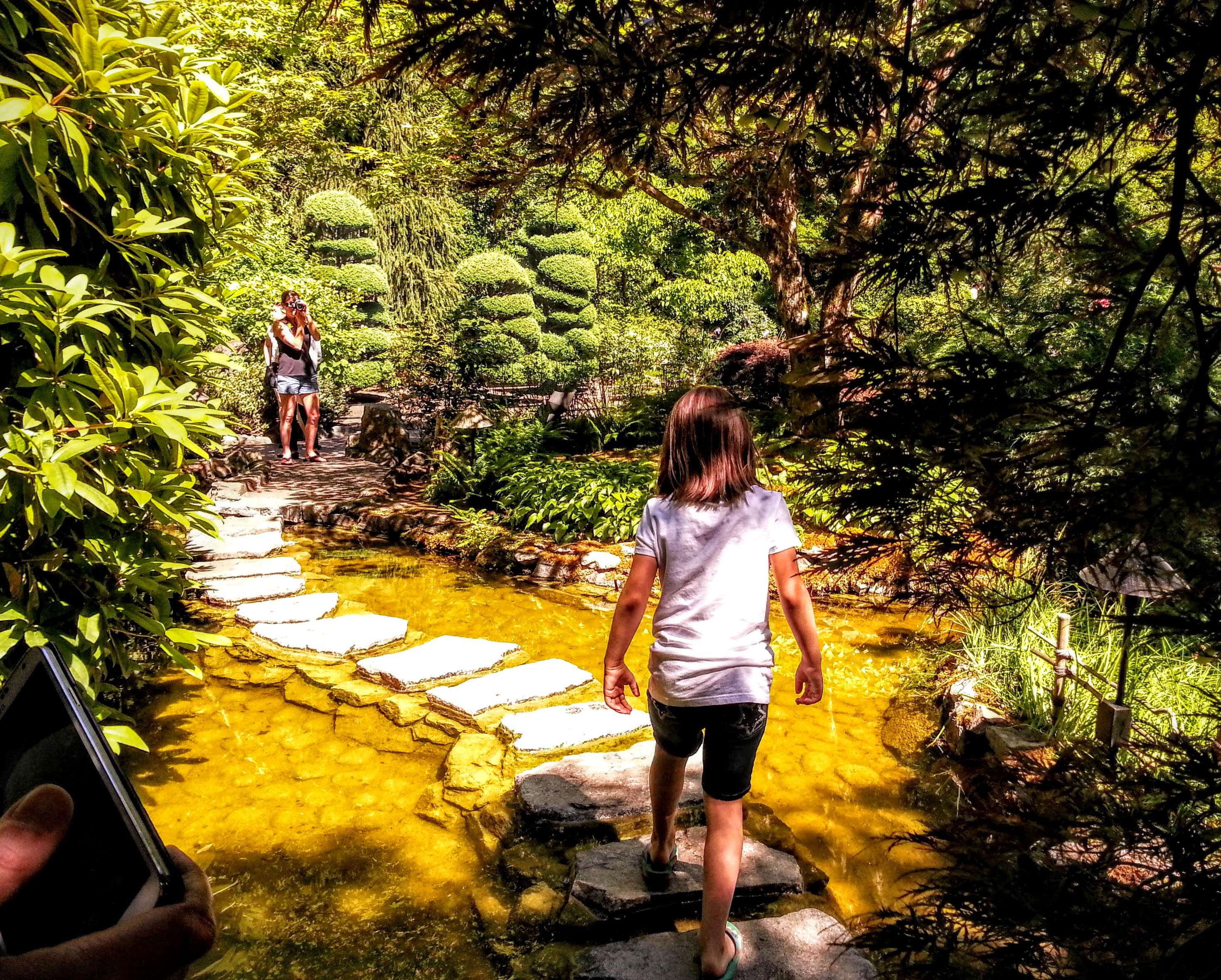
Its different garden rooms also mirrored the diversity of the province's horticultural imagination. Sunken vistas, rose borders, Japanese influences and formal lawn structure all coexisted, allowing visitors to experience multiple schools of garden design in one destination.
- It preserved a coherent founder story.
- It developed into a sustained visitor attraction rather than remaining a private estate.
- It showcased multiple garden styles in a single, highly legible layout.
Provincial Legacy
Today, Butchart Gardens helps define how British Columbia presents its garden heritage to the world. It sits alongside smaller heritage landscapes, but it also overshadows them by scale and fame. For historians, that makes it both a representative site and an exceptional one.
Its legacy is not just floral beauty; it is the demonstration that landscape preservation, tourism and horticultural craft can reinforce one another across generations when a site is managed as living heritage rather than frozen scenery.