From Family Enterprise to Landscape Vision
Robert Pim Butchart moved west to pursue cement production, and the family established operations near Tod Inlet where limestone deposits supported the Vancouver Portland Cement Company. As quarrying advanced, the landscape was materially profitable but visually depleted. Jennie Butchart looked at that altered ground and imagined recovery rather than abandonment.
Her intervention was radical in its simplicity: instead of hiding extraction scars, she would remake them. Soil was brought in by horse and cart, pathways were planned, walls softened and plantings layered into the quarry void. The project joined domestic gardening with site engineering, making it far more than a decorative pastime.
The Sunken Garden as Founding Gesture
The Sunken Garden remains the clearest expression of Jennie Butchart's original genius. By embracing the depth and contour of the quarry, she avoided pretending the industrial past had never happened. The garden's drama comes from turning the wound of extraction into a spatial theatre of terraces, ledges, water and bloom.
This approach distinguished her from conventional estate gardeners who started with undisturbed ground. Jennie was effectively practicing adaptive landscape reuse decades before that language existed. Her work anticipated modern ideas about reclamation, brownfield transformation and the cultural value of remaking industrial sites.
Jennie Butchart did not simply plant flowers in a quarry; she reinterpreted the quarry itself as the garden's essential design asset.
A Family Garden That Became a Public Destination
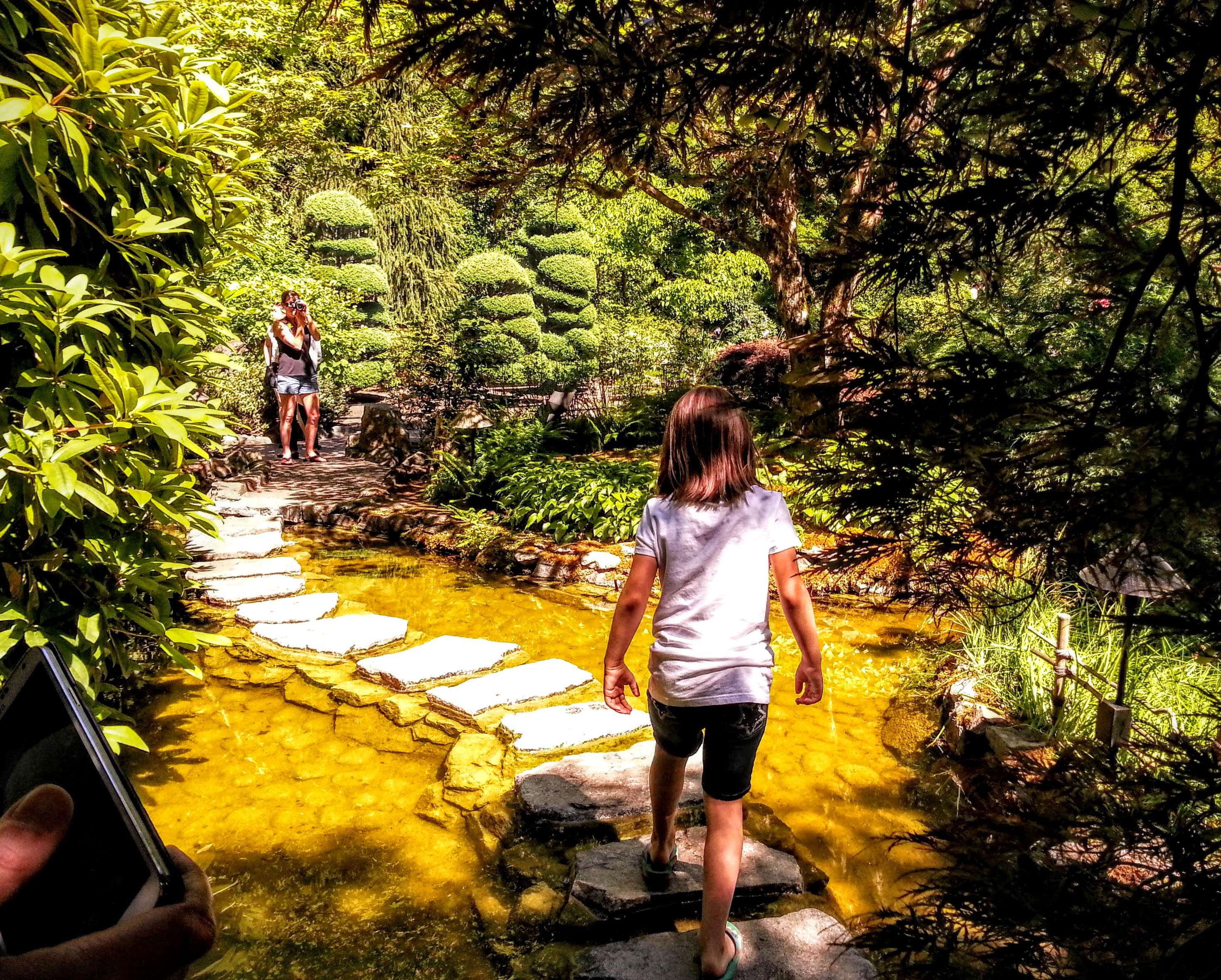
As the gardens expanded, guests arrived in increasing numbers. Family hospitality, planting ambition and the novelty of the reclaimed site turned a private estate into a destination. Additional areas, including the Rose Garden and Japanese Garden, enlarged the experience and gave returning visitors reasons to see the property as a complete horticultural world.
The garden's success depended on labour, planning and continuity as much as vision. Head gardeners, nursery sourcing, irrigation and seasonal planting routines all had to support the founder's aesthetic ambition. Jennie Butchart set the tone: beauty should feel abundant, but it must be meticulously organized beneath the surface.
Enduring Reputation
Jennie Butchart's story persists because it offers a rare combination of biography, landscape craft and moral symbolism. It is a narrative of care overcoming extraction, of artistic imagination operating inside an industrial economy and of a woman founder leaving an unmistakable mark on western Canadian cultural history.
That legacy continues every time visitors descend into the Sunken Garden and experience the site not as ruin or memorial, but as living proof that damaged land can be given a second life of extraordinary public value.